The Great Wildebeest Migration
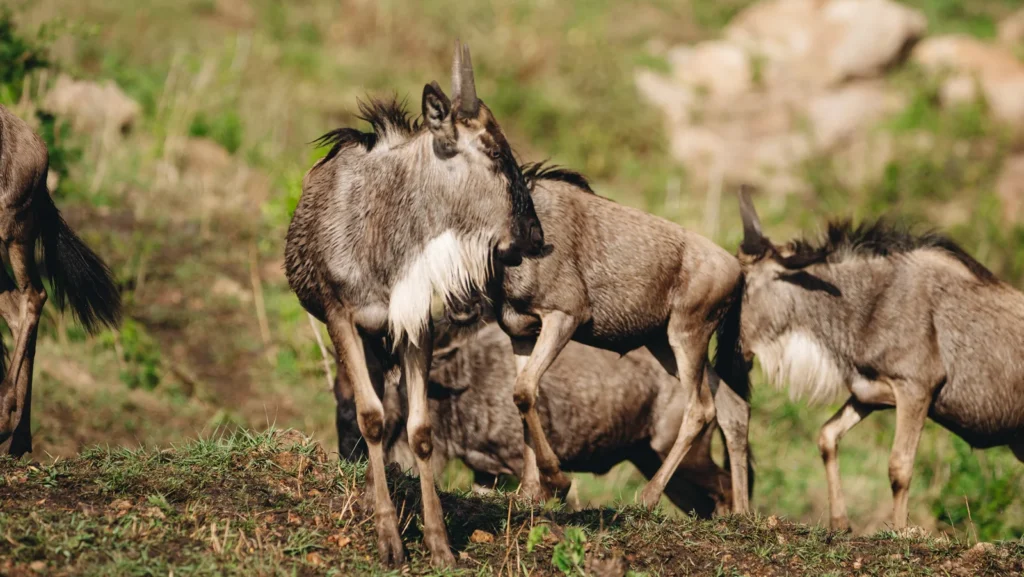
Witness one of the world’s most extraordinary wildlife spectacles with The Great Wildebeest Migration in Tanzania. Every year, vast herds of wildebeest, accompanied by zebras and other grazing animals, move across the Serengeti ecosystem in search of fresh pasture and water.
The migration is not a single event that happens on one particular day. It is a continuous natural cycle influenced by rainfall, food availability, and the movement of the herds. This makes every Great Wildebeest Migration Safari different.
At Testimony Africa Safaris, we create private Tanzania safari experiences designed around the migration, helping travelers explore the Serengeti at the most suitable locations for their travel dates and interests.
Great Wildebeest Migration Tanzania Safari
The Great Wildebeest Migration Tanzania Safari is an opportunity to experience one of Africa’s most remarkable natural events while exploring the legendary Serengeti National Park.
The Serengeti is internationally recognized for its annual wildebeest and zebra migration, with herds moving across different areas of the ecosystem throughout the year.
What Happens During the Great Migration?
The migration follows a constantly changing natural cycle.
Millions of grazing animals move through the wider Serengeti ecosystem seeking nutritious grass and water. Along the way, they encounter predators and challenging natural environments.
The migration can involve:
- Massive wildebeest herds
- Large zebra herds
- Gazelles and other grazing animals
- Lions
- Cheetahs
- Leopards
- Hyenas
- Crocodiles
- Birds of prey
The exact location of the herds changes according to environmental conditions, so no safari operator can guarantee a particular wildlife encounter.
Great Wildebeest Migration Seasons
January to March – Calving Season
The southern Serengeti and surrounding areas can become important during the wildebeest calving season.
Large numbers of wildebeest give birth during this period, creating remarkable opportunities to observe young animals and predator activity.
Tanzania’s tourism authorities highlight the Serengeti calving season as one of the country’s major wildlife experiences.
April to May – Green Season
Following the rains, parts of the Serengeti become lush and green. The herds begin shifting toward areas offering fresh grazing.
This period can provide beautiful landscapes, dramatic skies, fewer visitors in some areas, and excellent opportunities for wildlife photography.
June to July – Western Serengeti
As the herds continue moving north and west, parts of the Western Corridor can become important migration areas.
The Grumeti River is one of the geographical features associated with the migration route.
July to October – Northern Serengeti
During the northern movement, herds can reach northern Serengeti and move toward the Tanzania-Kenya ecosystem.
This period is widely associated with dramatic river-crossing scenes, although the timing and location of crossings are determined by the animals and environmental conditions.
November to December – Return South
With the arrival of seasonal rains, the herds begin moving back toward the southern Serengeti plains.
The cycle continues, creating the year-round movement that makes the Great Wildebeest Migration such a remarkable natural phenomenon.
Best Time to See the Great Wildebeest Migration
There is no single best month for every traveler because the migration is constantly moving.
Your ideal travel period depends on what you want to experience.
If your priority is calving and newborn wildlife, the early months of the year can be particularly interesting.
If you want to experience the northern migration and possible river crossings, the middle and later months of the year may be more suitable.
Because rainfall and animal movements vary from year to year, Testimony Africa Safaris plans migration itineraries according to current seasonal patterns rather than promising an exact location.
Best Places to See the Great Wildebeest Migration in Tanzania
Southern Serengeti
Southern Serengeti is particularly important during the calving season, when the plains can support large concentrations of wildebeest.
Central Serengeti
Central Serengeti provides excellent year-round wildlife viewing and can be an important stop when designing a migration safari.
Western Corridor
The Western Corridor includes areas associated with the Grumeti ecosystem and can form part of the migration route during the westward movement.
Northern Serengeti
Northern Serengeti becomes particularly significant during the northward movement and can provide opportunities to witness dramatic wildlife activity.
Great Migration Safari With Big Five Wildlife
A Great Wildebeest Migration Safari is about more than wildebeest.
The Serengeti is also home to some of Africa’s most iconic predators and large mammals.
Lions
Large concentrations of grazing animals provide important food resources for Serengeti’s lion populations.
Cheetahs
The open grasslands of the Serengeti provide suitable habitat for cheetahs and can offer memorable predator-viewing opportunities.
Leopards
Leopards are more elusive than many other safari animals, but experienced guides can help travelers search suitable habitats.
Hyenas
Spotted hyenas are an important part of the Serengeti ecosystem and are frequently associated with areas where large herbivore populations occur.
Great Wildebeest Migration Photography Safari
The migration is an extraordinary subject for wildlife and landscape photography.
Photograph the Herds
Huge groups of wildebeest moving across open plains can create dramatic compositions, especially when photographed against the wide Serengeti landscape.
Wildlife and Predator Photography
Migration periods can provide opportunities to photograph interactions between predators and grazing animals.
Wildlife behavior is unpredictable, so photographers need patience and respect for the animals.
Landscape Photography
The Serengeti offers much more than wildlife. Golden grasslands, acacia trees, kopjes, clouds, sunrise, and sunset can all become part of your photographic story.
Private Great Wildebeest Migration Safari
A private Great Migration Safari Tanzania allows your itinerary to be customized around your travel dates and interests.
A private safari can include:
- Private 4×4 safari vehicle
- Professional safari guide
- Flexible daily game drives
- Serengeti accommodation
- Migration-focused itinerary planning
- Ngorongoro Crater
- Tarangire National Park
- Photography opportunities
- Optional hot air balloon safari
The exact inclusions depend on your selected safari package.
Great Wildebeest Migration Safari Packages
5-Day Great Wildebeest Migration Safari
A short migration safari can focus on Serengeti with Ngorongoro Crater, depending on your arrival and departure schedule.
7-Day Great Migration Safari Tanzania
Seven days provide more time to explore different Serengeti areas while incorporating additional destinations such as Ngorongoro and Tarangire.
10-Day Great Wildebeest Migration Safari
A longer itinerary allows travelers to spend more time following the seasonal movement of the herds while enjoying additional wildlife experiences.
14-Day Great Migration and Tanzania Safari
A two-week adventure provides greater flexibility for exploring the Serengeti ecosystem, other northern Tanzania destinations, and additional cultural or nature experiences.
Great Migration Safari and Hot Air Balloon
Add a Serengeti hot air balloon safari to your migration adventure for a completely different perspective of the ecosystem.
From above, you can appreciate the enormous scale of the Serengeti plains and potentially see wildlife moving across the landscape.
Balloon flights are weather-dependent and subject to availability.
Great Migration Safari and Ngorongoro Crater
Combining the Great Wildebeest Migration with Ngorongoro Crater creates a classic northern Tanzania safari.
After exploring the Serengeti, continue to the Ngorongoro Conservation Area for another exceptional wildlife experience.
Great Wildebeest Migration FAQs
What is the Great Wildebeest Migration?
The Great Wildebeest Migration is the annual movement of large herds of wildebeest and other grazing animals through the Serengeti-Mara ecosystem in search of fresh pasture and water.
Where does the Great Wildebeest Migration take place?
The migration takes place across the wider Serengeti-Mara ecosystem, with a major portion of the cycle occurring in Tanzania’s Serengeti National Park.
When is the Great Wildebeest Migration in Tanzania?
The migration occurs throughout the year. Different stages of the cycle occur in different parts of the Serengeti depending on rainfall, pasture, and animal movements.
What is the best month for the Great Wildebeest Migration?
There is no guaranteed single best month. The ideal period depends on whether you want to focus on calving, the western movement, northern Serengeti, or possible river-crossing activity.
When is the wildebeest calving season?
The main calving period generally occurs during the early months of the year in the southern Serengeti ecosystem. The exact timing varies with environmental conditions.
When can I see wildebeest river crossings?
River crossings are associated with the herds’ northern movement, but their timing and exact locations are unpredictable. Crossings depend on the movement of the herds and environmental conditions.
Can I see the Great Migration in Serengeti?
Yes. Serengeti National Park is the heart of the Tanzanian side of the Great Migration and is one of the world’s most famous wildlife destinations.
Can I see the Big Five during the Great Migration?
Yes. The Serengeti supports populations of lions, leopards, elephants, buffalo, and other major wildlife species. However, sightings of individual animals are never guaranteed.
Is the Great Migration suitable for families?
Yes. A family migration safari can be customized around children’s ages, interests, accommodation preferences, and travel pace.
Is the Great Wildebeest Migration good for photographers?
Absolutely. The migration offers opportunities for wildlife, landscape, predator, and environmental photography. A private photography-focused itinerary can provide additional flexibility.
Can I combine the Great Migration with Ngorongoro Crater?
Yes. Serengeti and Ngorongoro are commonly combined in northern Tanzania safari itineraries.
Can I combine the Great Migration with Kilimanjaro?
Yes. Travelers can combine a Great Wildebeest Migration Safari with Kilimanjaro trekking, depending on the season and length of their holiday.
Can I combine the Great Migration with Zanzibar?
Yes. A Tanzania safari can be followed by a relaxing Zanzibar beach holiday, creating a combination of wildlife and Indian Ocean experiences.
How long should a Great Migration safari be?
A 7–10 day safari can provide a good amount of time for exploring the Serengeti and other northern Tanzania destinations. Longer trips provide more flexibility and time in the ecosystem.
How do I book a Great Wildebeest Migration Safari?
Contact Testimony Africa Safaris with your preferred travel dates, number of travelers, budget, and migration interests. We can design a private Tanzania safari based on the seasonal movement of the herds and your preferred experience.
Book Your Great Wildebeest Migration Safari
Experience the breathtaking spectacle of The Great Wildebeest Migration in Tanzania with Testimony Africa Safaris.
Follow the rhythm of the Serengeti as wildebeest and zebra move across vast grasslands, discover Africa’s legendary predators, explore breathtaking landscapes, and experience one of the world’s most extraordinary natural events.
Whether you want to witness the wildebeest calving season, explore northern Serengeti, search for river crossings, photograph the migration, or combine the experience with Ngorongoro, Kilimanjaro, and Zanzibar, our team can create a personalized Tanzania safari around your travel dates.
Plan your Great Wildebeest Migration Safari with Testimony Africa Safaris and experience the Serengeti at its most spectacular.